Selling Märklin Tinplate Trains

Sell Your Märklin Tinplate Trains Collection

Prewar German tinplate trains from Märklin, from the large Gauge 1, 2 and 3 clockwork and live-steam sets to their stations and accessories. Value turns on original paint, completeness, the box and the model.

How we buy Märklin Tinplate Trains

Every Märklin Tinplate Trains piece is researched by hand, graded straight, and priced against real eBay sold comps. We’d rather quote you a number you can check than a number you have to take on faith.

What makes a Märklin Tinplate Trains piece valuable

The era collectors care about: 1891-1930s prewar Gauge 1, 2 and 3 clockwork and live steam; the 1969 Gauge 1 revival is separate. Two pieces that look the same to most buyers can be worlds apart in value. Here’s what we check before we put a number on anything:

Original finish, because factory paint and original decals are valued above any repaint, and a repainted or touched-up locomotive of a rare model can lose much of its value even when the work is well done

Completeness of the set, meaning every coach and car present, the correct locomotive and tender together, original track and the figures or accessories the set shipped with

The original box, which adds a real premium to a scarce locomotive or live-steam set, while reproduction boxes add little

Size and model, since the large gauges, hand-painted pieces from the early 1900s and live-steam locomotives sit in a higher market than common clockwork sets, and sets made for export, such as those built for the American market, are collected as their own group

Mechanical and structural condition, including a boiler and burner that are intact on live-steam models, working clockwork, and lithographed tin that is free of flaking, rust and dents

Identify

How to identify genuine Märklin Tinplate Trains

  1. 1

    Start with the track gauge. Gauge 1 track is about 44.45 mm wide, and a documented Gauge 1 set from about 1900 had the gauge number marked on its cross ties, so a set found with its original track is easier to confirm.

  2. 2

    Look at the finish. Early Märklin trains, stations and catalogs were hand painted and hand assembled, while some later pieces are lithographed tin, so note which kind of finish your piece has and whether it is original.

  3. 3

    Check for a Märklin trademark, but do not rely on marks alone. A documented Gauge 1 set from about 1900 on the Antiques Roadshow had no Märklin mark at all and was identified from its design, construction and track markings.

  4. 4

    Compare the model to catalog numbers. Auction houses cite Märklin's own catalog references, such as E4023 for a live-steam locomotive and 1842/3 for the tender and dining car, and a locomotive should match its tender and cars.

Märklin Tinplate Trains — priced on what it really is

Pieces we know well in Märklin Tinplate Trains

A few of the Märklin Tinplate Trains pieces we research and buy — though we identify and price everything you send, common and scarce alike:

  • Märklin III-gauge LNWR live steam locomotive set, about 1904, hand-painted
  • Märklin II-gauge E2 live steam set, about 1904, US market
  • Märklin Gauge 1 clockwork passenger set with coal tender, about 1900
  • Märklin live steam fire truck, catalog number 4070
  • Hand-painted Märklin clockwork ships such as the Brooklyn battleship

Selling your Märklin Tinplate Trains, step by step

01

Send photos and a few details

Snapshots of your Märklin Tinplate Trains pieces — the locomotive from both sides and the front, the tender, each coach, any track or station, any box, and close-ups of marks and paint loss. The line and rough condition is plenty to start.

02

We research and quote

Each piece gets identified by hand, graded straight, and priced against actual Märklin Tinplate Trains sold listings — the real sales behind the number.

03

Deal direct, or walk away

Take the offer and get paid, collector to collector — or hold onto your Märklin Tinplate Trains. No fees, no pressure, no obligation either way.

Get an honest number on your Märklin Tinplate Trains.

Tell us what you’ve got. A real collector reads every message, researches each Märklin Tinplate Trains piece against real sold comps, and gets back to you — usually within a day. No obligation.

  • Sold-comp-backed offer, not a lowball
  • Every piece identified by hand
  • No obligation, no pressure to sell

Sell your Märklin Tinplate Trains

A few details is all it takes. Photos help, but aren't required to start.

No spam, no list-selling. Just a real reply from a collector.

Selling Märklin Tinplate Trains — straight answers

How do you decide what my Märklin Tinplate Trains is worth?+

Every number is anchored to real eBay sold listings - what Märklin Tinplate Trains pieces in the same condition have actually sold for recently, not active asking prices or an estimate tool. We identify exactly what you have first (1891-1930s prewar Gauge 1, 2 and 3 clockwork and live steam; the 1969 Gauge 1 revival is separate), then pull the comps that match.

What drives the value in Märklin Tinplate Trains?+

Original finish, because factory paint and original decals are valued above any repaint, and a repainted or touched-up locomotive of a rare model can lose much of its value even when the work is well done. Completeness of the set, meaning every coach and car present, the correct locomotive and tender together, original track and the figures or accessories the set shipped with. We check each of these by hand before we quote, so the offer reflects what your specific pieces are - not a blanket price for the line.

Do I have to sell, or can I just get a number?+

No obligation, ever. Send photos and we'll research each piece and give you an honest, sold-comp-backed read. If you decide to hold, that's completely fine - no pressure, no list-selling.

Will you buy a whole Märklin Tinplate Trains collection or just the rare pieces?+

Both. We'll take a collection as a whole or cherry-pick the standout pieces - whichever gets you the best outcome. Either way every item is identified and priced on its own merits, including the common ones.

Is my old Märklin train set worth anything?+

It can be, and the first questions are which gauge it is and whether it is prewar. Large-gauge sets, hand-painted pieces and live-steam locomotives from the early 1900s are the strong end of the market, while later and smaller sets are far more common. Send photos of the locomotive, the tender, the track, any box and any marks, and the set can be identified and appraised.

Does repainting or touching up the paint hurt the value?+

Yes. Collectors prefer factory paint, and a repaint, replaced decals or upgraded parts significantly reduce value. A professional restoration can be done well, but original, unrestored condition generally does better at auction. If a piece has chipped paint, leave it as it is, and do not clean or retouch it before it has been looked at.

What is a live-steam Märklin locomotive and does it still matter if it does not run?+

A live-steam locomotive has a boiler heated by a burner, as opposed to a clockwork or electric motor, and the early ones are among the most sought after Märklin pieces. Whether it runs matters less than whether the boiler, burner, fittings and paint are original and intact. Do not try to fire an old boiler, because the pressure parts may be unsafe.
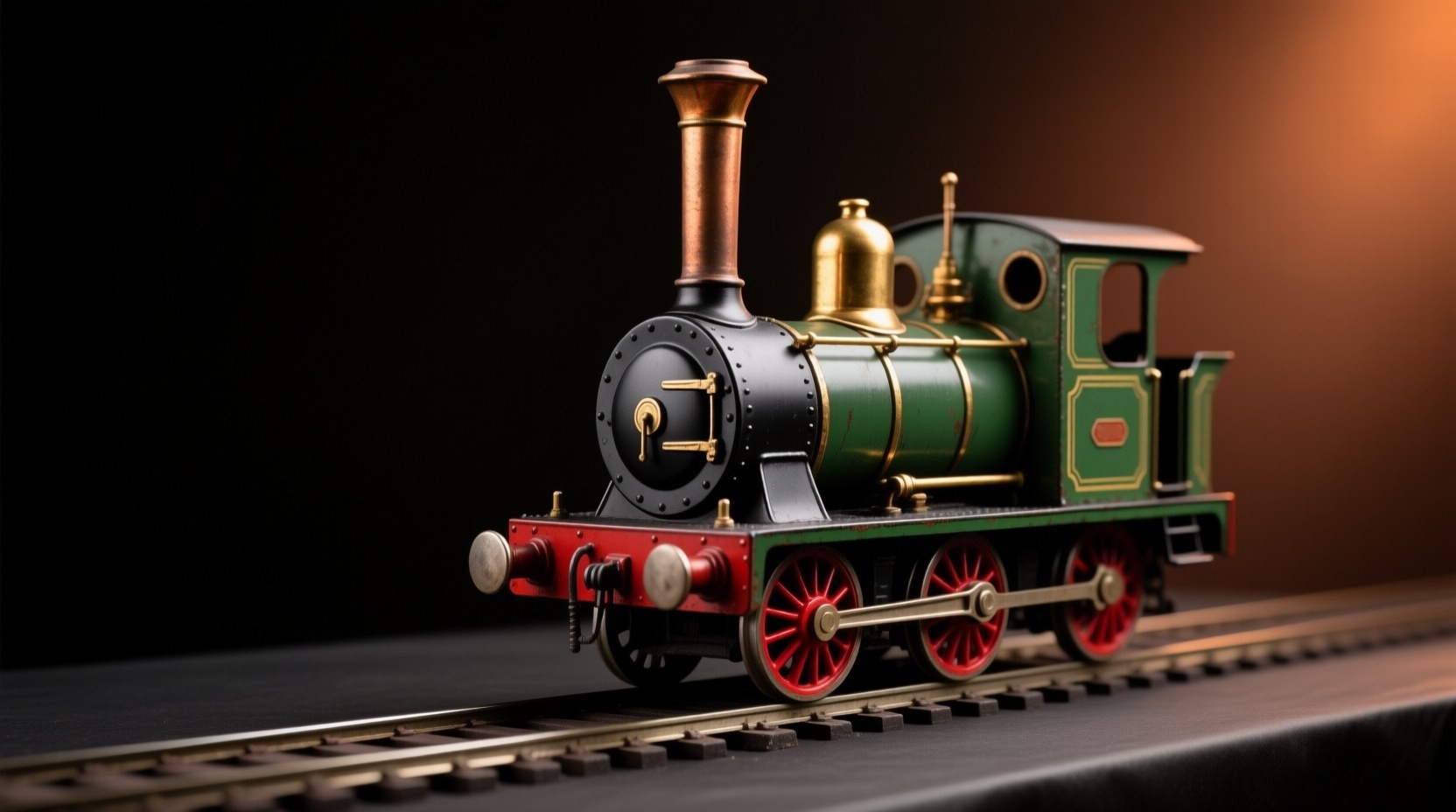
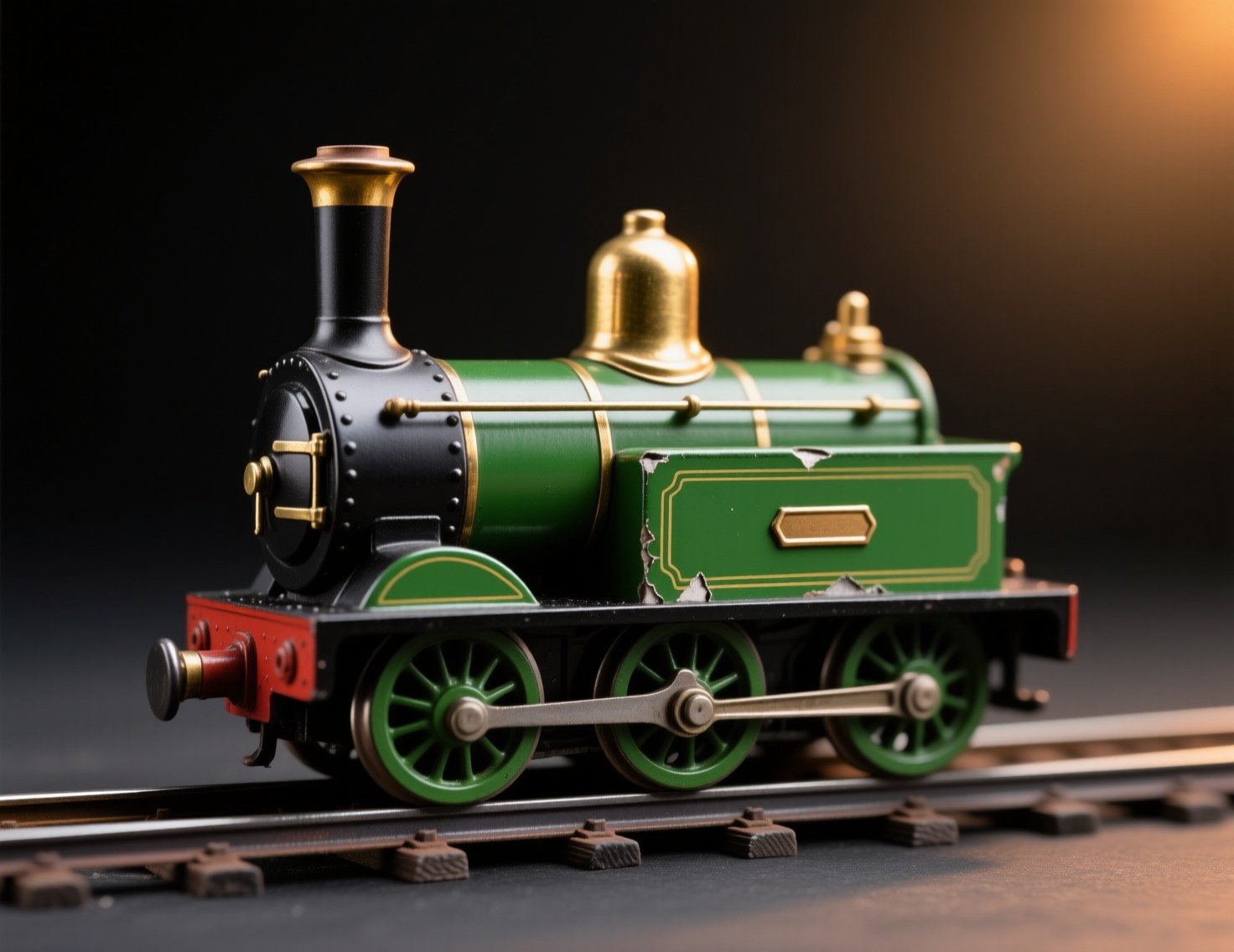
Researching a different line? See everything we buy.

We also buy

Japanese Tin Robots1950s-1960s, with a few earlier clockwork robots and later reissues as separate marketsAntique Mechanical Banks1869-1928, with 1940s-1950s reproductions as a separate problemSteiff Teddy Bears1902-1950s, Steiff mohair bears from the first jointed designs to the postwar yearsMärklin Toy Boats and Ocean Liners1900-1930, tinplate clockwork, spirit-fired and live-steam ships and boats from Göppingen, GermanyMärklin Tinplate Cars, Fire Engines and Carousels1890s-1910s hand-painted tinplate road vehicles, fire engines, carousels and other novelties from Göppingen, GermanyKämmer & Reinhardt Character Dolls1909 and after: German bisque character dolls in the 100 mold series, with heads mostly made by Simon & Halbig