Selling Kestner Dolls
J.D. Kestner of Waltershausen, Germany made porcelain and bisque dolls from the 1860s into the 1930s, and their value rests on the mold, the bisque quality, and whether the body and clothing are original
How we buy Kestner Dolls
Every Kestner Dolls piece is researched by hand, graded straight, and priced against real eBay sold comps. We’d rather quote you a number you can check than a number you have to take on faith.
The era collectors care about: 1860s-1930s German bisque character and child dolls. Two pieces that look the same to most buyers can be worlds apart in value. Here’s what we check before we put a number on anything:
The mold number and size code incised on the back of the head, since specific molds such as the Hilda character baby are highly collectable and the mold number is how a genuine one is confirmed
Bisque quality and painting, since a clean, evenly colored head with crisp facial painting separates the best examples from the ordinary ones, and delicate brows and lashes show the original work
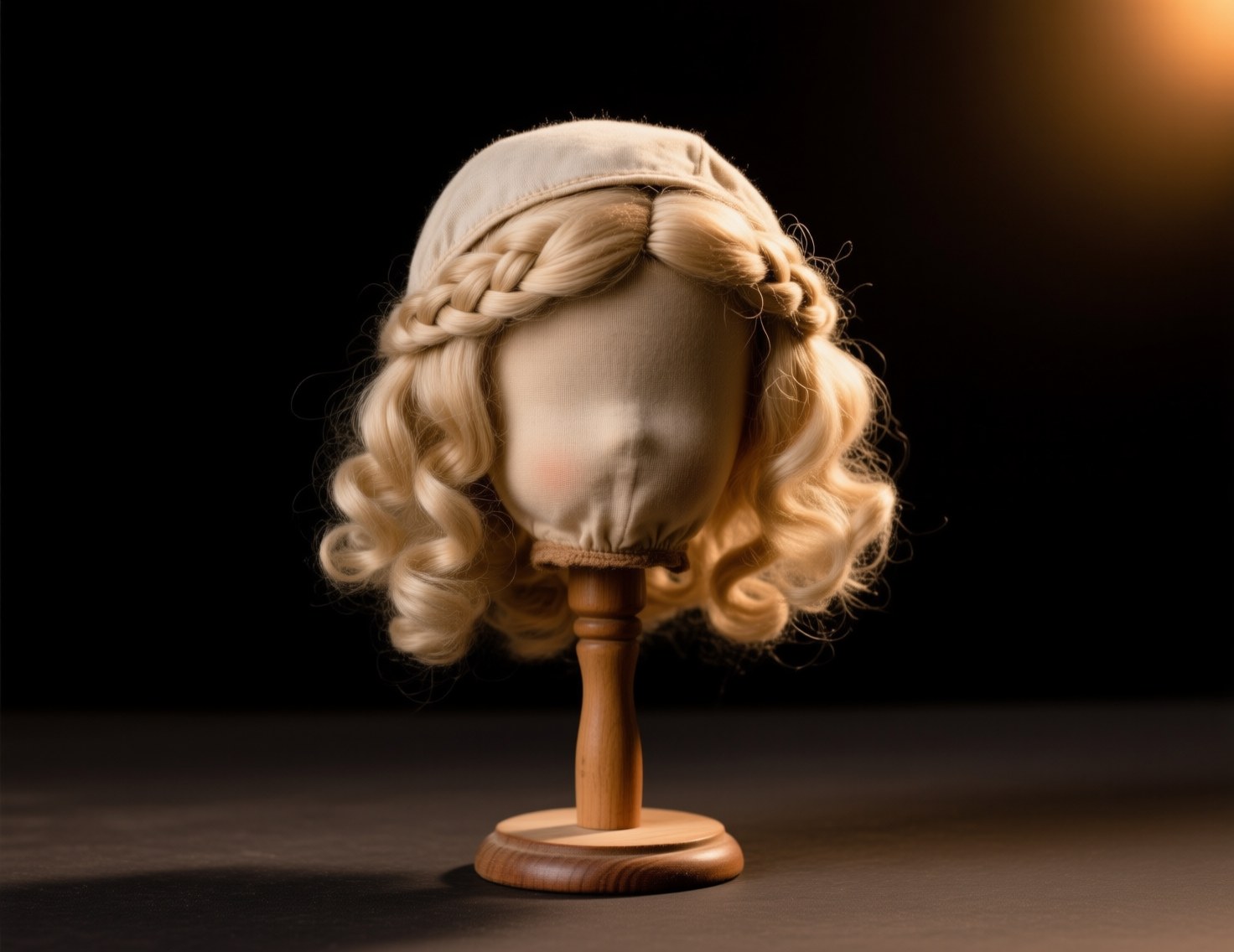
Originality of the body and wig, because a correct period composition or leather body, undamaged and with its own finish, and an antique wig in good order matter as much as the head itself
Condition of the bisque, since hairline cracks, old repairs, and chips at the shoulder plate or socket rim lower value and are best checked under raking light before any value is set
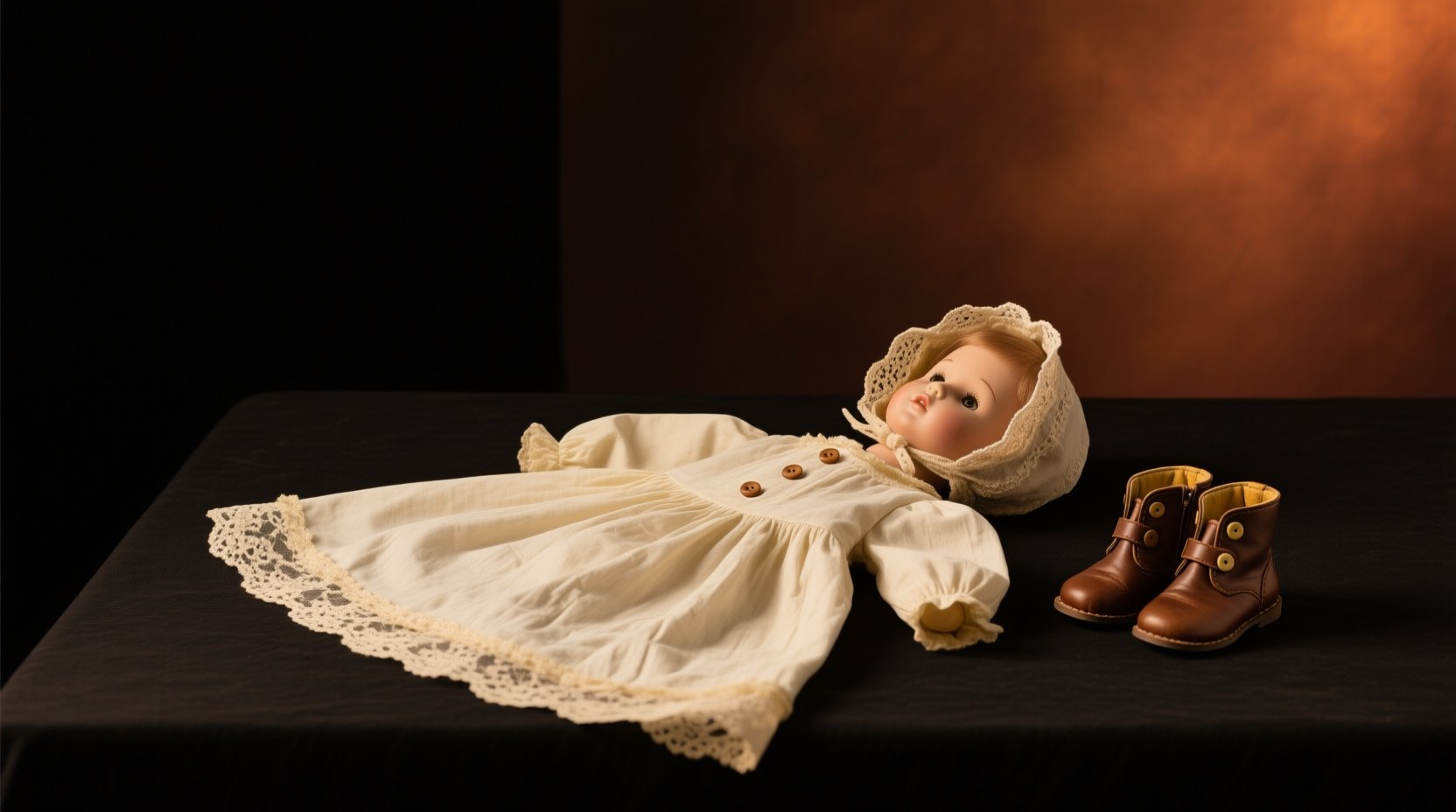
Original costume and provenance, since a doll still wearing its factory or period clothing, shoes, and original wig is worth more than one redressed later
Identify
Turn the head over and look at the back for an incised mold number, a size mark, and often the words Made in Germany, which Kestner began marking on its dolls from 1892.
Check for the alphabet-series size code: a letter on the left of the word Germany and a size number on the right, a system Kestner protected in 1897, and compare the mold number against a reference list of known Kestner molds.
Look for Kestner's trademark. From 1896 the firm used a JDK mark with a crown, and leather bodies made from 1899 for Butler Brothers carry the crown mark JDK Germany and the name Marvel in a rectangle.
Examine the body. Kestner bodies often carry a paper label at the chest, so a label-less body on an otherwise Kestner head is worth a second look.
A few of the Kestner Dolls pieces we research and buy — though we identify and price everything you send, common and scarce alike:
Snapshots of your Kestner Dolls pieces — the back of the head for the mold mark, the eyes and eyebrows, the body joints, and any crazing or cracks in raking light. The line and rough condition is plenty to start.
Each piece gets identified by hand, graded straight, and priced against actual Kestner Dolls sold listings — the real sales behind the number.
Take the offer and get paid, collector to collector — or hold onto your Kestner Dolls. No fees, no pressure, no obligation either way.

Tell us what you’ve got. A real collector reads every message, researches each Kestner Dolls piece against real sold comps, and gets back to you — usually within a day. No obligation.
Every number is anchored to real eBay sold listings - what Kestner Dolls pieces in the same condition have actually sold for recently, not active asking prices or an estimate tool. We identify exactly what you have first (1860s-1930s German bisque character and child dolls), then pull the comps that match.
The mold number and size code incised on the back of the head, since specific molds such as the Hilda character baby are highly collectable and the mold number is how a genuine one is confirmed. Bisque quality and painting, since a clean, evenly colored head with crisp facial painting separates the best examples from the ordinary ones, and delicate brows and lashes show the original work. We check each of these by hand before we quote, so the offer reflects what your specific pieces are - not a blanket price for the line.
No obligation, ever. Send photos and we'll research each piece and give you an honest, sold-comp-backed read. If you decide to hold, that's completely fine - no pressure, no list-selling.
Both. We'll take a collection as a whole or cherry-pick the standout pieces - whichever gets you the best outcome. Either way every item is identified and priced on its own merits, including the common ones.
Look first at the back of the head or the shoulder plate for an incised mold number, a size number, and usually the words Made in Germany. Compare that mold number against known Kestner molds, and look for the JDK mark, which carried a crown from 1896. The incised mark is the starting point; the body label and the fit of the body to the head are supporting evidence.
Yes, it affects value, but it is not the end of the story. Collectors pay more for a doll still wearing its factory or period-correct costume, wig, and shoes, since those pieces are easy to lose and hard to replace correctly. A doll in later clothing with an otherwise excellent head, body, and bisque condition still has real value; just describe the clothing honestly as not original when you have it looked at.
No, but a crack lowers the value compared with an undamaged head, and how much depends on the crack's size, location, and whether it was ever repaired. A clean, stable hairline crack on an otherwise rare mold can still be a collectible doll; a crack through the face or a repainted repair is a bigger problem. Photograph the crack in raking light and let it be assessed rather than guessing at the discount yourself.
Researching a different line? See everything we buy.