Kestner Dolls Value Guide

Kestner Dolls Value Guide — What’s It Worth?

J.D. Kestner of Waltershausen, Germany made porcelain and bisque dolls from the 1860s into the 1930s, and their value rests on the mold, the bisque quality, and whether the body and clothing are original

How we set the number

Prices with a receipt, not a guess

Every Kestner Dolls value we quote is anchored to actual eBay sold listings — the exact prices matching pieces closed at, in matching condition. Active asking prices are wish prices; an automated estimate is a shrug. We start from what people genuinely paid, then adjust for the specifics of your piece.

What drives Kestner Dolls value

The era collectors care about: 1860s-1930s German bisque character and child dolls. These are the factors that separate a common piece from a genuine find — and the things to look at before you trust any number:

  1. 1

    The mold number and size code incised on the back of the head, since specific molds such as the Hilda character baby are highly collectable and the mold number is how a genuine one is confirmed

  2. 2

    Bisque quality and painting, since a clean, evenly colored head with crisp facial painting separates the best examples from the ordinary ones, and delicate brows and lashes show the original work

  3. 3

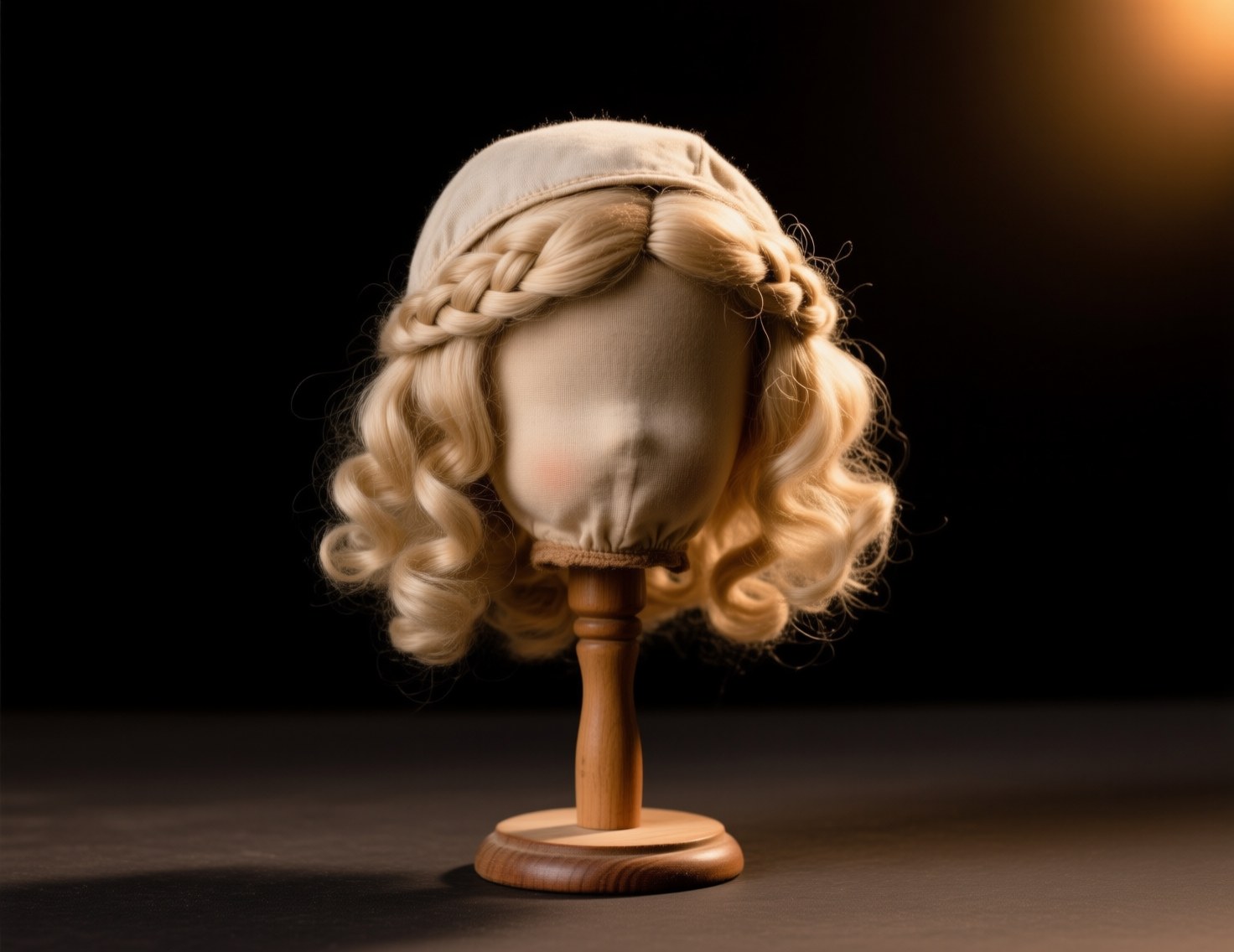
    Originality of the body and wig, because a correct period composition or leather body, undamaged and with its own finish, and an antique wig in good order matter as much as the head itself

  4. 4

    Condition of the bisque, since hairline cracks, old repairs, and chips at the shoulder plate or socket rim lower value and are best checked under raking light before any value is set

  5. 5

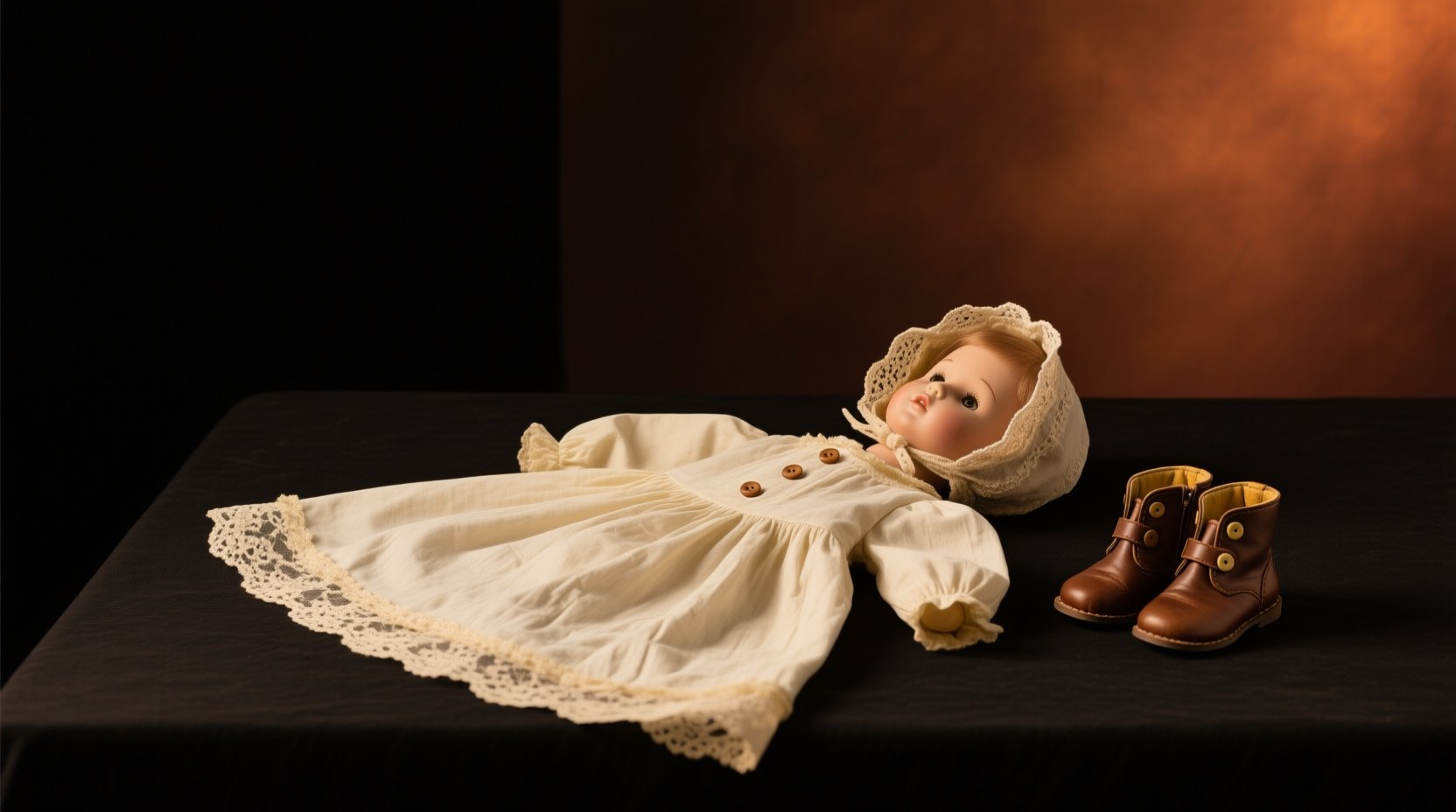
    Original costume and provenance, since a doll still wearing its factory or period clothing, shoes, and original wig is worth more than one redressed later

Kestner Dolls — the details decide the price

Kestner Dolls pieces collectors ask about

Some of the Kestner Dolls pieces whose values come up most often — though every piece is worth identifying, because the value lives in the details:

  • Kestner mold 171 'Daisy', the 18-inch 1911 premium doll
  • Kestner mold 245 'Hilda' bisque character baby, 1914
  • Kestner mold 237 'Hilda' toddler
  • Kestner shoulder-head doll on a leather body
  • Kestner bisque Kewpie, 1912 onward

The #1 mistake on Kestner Dolls: pricing off a high active listing instead of a real sold one, and assuming condition is better than it is. A clean grade against the sold comps is the difference between a number that holds and a number that disappoints.

History

A short history of Kestner Dolls

Johann Daniel Kestner founded a papier-mache factory in Waltershausen, Thuringia, in 1816, and shortly afterward the firm made wooden joints for dolls. It added porcelain heads in the 1850s, and in 1860 Kestner and Company bought a porcelain factory to make porcelain doll heads. After Kestner died in 1858, his widow and deputy directors ran the business until his grandson Adolf Kestner took over in 1863. Kestner was probably the only German dollmaker that could make the entire doll, with leather, composition and all-bisque bodies, and it also sold heads and bodies to many German doll assemblers. By 1900 the porcelain factory employed 300 people. From 1914 the firm produced the Hilda character baby, one of its most popular dolls. Kestner made bisque Kewpies from 1912, and many dolls for the American market, including the Kewpie and the Bye-Lo Baby. After Adolf Kestner died in 1918, the company continued to make dolls until the late 1930s.
Identify

How to identify genuine Kestner Dolls

  1. 1

    Turn the head over and look at the back for an incised mold number, a size mark, and often the words Made in Germany, which Kestner began marking on its dolls from 1892.

  2. 2

    Check for the alphabet-series size code: a letter on the left of the word Germany and a size number on the right, a system Kestner protected in 1897, and compare the mold number against a reference list of known Kestner molds.

  3. 3

    Look for Kestner's trademark. From 1896 the firm used a JDK mark with a crown, and leather bodies made from 1899 for Butler Brothers carry the crown mark JDK Germany and the name Marvel in a rectangle.

  4. 4

    Examine the body. Kestner bodies often carry a paper label at the chest, so a label-less body on an otherwise Kestner head is worth a second look.

Reproductions, reissues and fakes to watch for

Reproductions of antique dolls exist, including Hilda, so confirm a genuine Hilda by an incised mold number of 237, 245, or 1070. A seller should not call a doll Hilda without one of those numbers.

Other baby dolls in the 200 series look similar to Hilda but are not Hilda dolls, so a head that lacks the Hilda mold numbers, the JDK mark, and Made in Germany with a size number needs a second look.

Free appraisal

Get a real number on your Kestner Dolls

Grab the checklist to run a first pass yourself, then send your Kestner Dolls over for a free, no-obligation appraisal — researched by hand and priced against real sold comps.

Free guide

What's My Kestner Dolls Worth?

The same hand-research walk-through we use on every Kestner Dolls piece - boiled down to a checklist you can run yourself. Stop guessing and start with a number you can actually defend.

  • Pin down the exact Kestner Dolls piece - line, variant, and year
  • Grade condition honestly (and dodge the #1 overpricing mistake)
  • Pull real sold comps instead of wishful asking prices
  • Set a number with a receipt behind it

Tell us where to send it and it’s yours — instantly.

Free, instant, and no spam — just the guide.

Want us to value your Kestner Dolls?

Send photos and we’ll do the research — identify each Kestner Dolls piece, pull the matching sold comps, and give you an honest number with the receipts behind it. Free, and no obligation to sell.

  • Anchored to real eBay sold comps
  • Graded straight, every flaw disclosed
  • Free, with no obligation

Appraise my Kestner Dolls

Tell us what you have. Photos help us pull the right comps.

No spam, no list-selling. Just a real reply from a collector.

Kestner Dolls values — straight answers

How is Kestner Dolls value actually determined?+

By real eBay sold listings - the prices Kestner Dolls pieces in matching condition have actually closed at recently, not active asking prices and not an automated estimate. An asking price is a wish; a sold price is a receipt. We start every appraisal from the sold comps.

What makes one Kestner Dolls piece worth far more than another?+

The mold number and size code incised on the back of the head, since specific molds such as the Hilda character baby are highly collectable and the mold number is how a genuine one is confirmed. Bisque quality and painting, since a clean, evenly colored head with crisp facial painting separates the best examples from the ordinary ones, and delicate brows and lashes show the original work. Two pieces that look identical to a casual buyer can sit at very different numbers once you account for these, which is exactly why a by-hand read beats a price-guide average.

Does condition really change Kestner Dolls values that much?+

Yes - more than almost anything else. Originality of the body and wig, because a correct period composition or leather body, undamaged and with its own finish, and an antique wig in good order matter as much as the head itself. We grade against pristine, not against the last beat-up copy we saw, and when it's a close call we grade down. The honest grade is what keeps the number defensible.

Can I get a real Kestner Dolls appraisal, not just a guide?+

Yes, and it's free with no obligation. Send photos and we'll identify each piece (1860s-1930s German bisque character and child dolls), pull the matching sold comps, and give you a number with the receipts behind it. Grab the appraisal checklist below to do a first pass yourself, or send it over and we'll do the research.

How do I know if my doll is really a Kestner?+

Look first at the back of the head or the shoulder plate for an incised mold number, a size number, and usually the words Made in Germany. Compare that mold number against known Kestner molds, and look for the JDK mark, which carried a crown from 1896. The incised mark is the starting point; the body label and the fit of the body to the head are supporting evidence.

Does it matter if my Kestner doll's clothes aren't original?+

Yes, it affects value, but it is not the end of the story. Collectors pay more for a doll still wearing its factory or period-correct costume, wig, and shoes, since those pieces are easy to lose and hard to replace correctly. A doll in later clothing with an otherwise excellent head, body, and bisque condition still has real value; just describe the clothing honestly as not original when you have it looked at.

My doll has a hairline crack. Is it worthless?+

No, but a crack lowers the value compared with an undamaged head, and how much depends on the crack's size, location, and whether it was ever repaired. A clean, stable hairline crack on an otherwise rare mold can still be a collectible doll; a crack through the face or a repainted repair is a bigger problem. Photograph the crack in raking light and let it be assessed rather than guessing at the discount yourself.

Looking at a different line? Browse all value guides.

More value guides

Kämmer & Reinhardt Character Dolls1909 and after: German bisque character dolls in the 100 mold series, with heads mostly made by Simon & HalbigAlbert Marque Dolls1914-1916 French bisque art dolls made by sculptor Albert Marque for the Margaine-Lacroix fashion houseJumeau Dolls1870s-1899 French bisque bebes and fashion poupees by Maison Jumeau, ParisJapanese Tin Robots1950s-1960s, with a few earlier clockwork robots and later reissues as separate marketsMärklin Tinplate Trains1891-1930s prewar Gauge 1, 2 and 3 clockwork and live steam; the 1969 Gauge 1 revival is separateAntique Mechanical Banks1869-1928, with 1940s-1950s reproductions as a separate problem