Jumeau Dolls Value Guide

Jumeau Dolls Value Guide — What’s It Worth?

French bisque bebes and fashion poupees made by Maison Jumeau from the 1870s through 1899, valued on the mold and face, the maker's mark, originality of body and costume, and condition of the bisque.

How we set the number

Prices with a receipt, not a guess

Every Jumeau Dolls value we quote is anchored to actual eBay sold listings — the exact prices matching pieces closed at, in matching condition. Active asking prices are wish prices; an automated estimate is a shrug. We start from what people genuinely paid, then adjust for the specifics of your piece.

What drives Jumeau Dolls value

The era collectors care about: 1870s-1899 French bisque bebes and fashion poupees by Maison Jumeau, Paris. These are the factors that separate a common piece from a genuine find — and the things to look at before you trust any number:

  1. 1

    The mold and model, because earlier models such as the Triste and the Portrait Bebe are much sought after and are judged very differently from the later, more common Tete Jumeau bebes

  2. 2

    The maker's mark and size number, since a genuine Tete Jumeau head carries a stamped 'Depose Tete Jumeau' mark with a size number, and the body may carry its own Jumeau stamp

  3. 3

    Originality of the body, wig and costume, because a head correctly paired with its period Jumeau body and original clothing tells a different story than a head on a later or mismatched body

  4. 4

    Condition of the bisque, since cracks, hairlines, chips and old repairs to the face lower a doll that otherwise has the right mark and mold, while an unplayed-with example in original condition is prized

  5. 5

    Whether the doll is a genuine period Jumeau or a later SFBJ-era or modern reproduction, since the SFBJ kept the Bebe Jumeau name and made dolls in the manner of Jumeau

Jumeau Dolls — the details decide the price

Jumeau Dolls pieces collectors ask about

Some of the Jumeau Dolls pieces whose values come up most often — though every piece is worth identifying, because the value lives in the details:

  • Two-foot Bebe Jumeau, Huguette Clark collection (1892)
  • Long-Face Jumeau bebe, so-called Bebe Triste
  • Portrait Jumeau bebe with early paperweight eyes
  • Tete Jumeau bebe with the red Deposé stamp
  • Jumeau Bebe Phonographe talking doll
  • Jumeau fashion poupee with bisque head and kid body

The #1 mistake on Jumeau Dolls: pricing off a high active listing instead of a real sold one, and assuming condition is better than it is. A clean grade against the sold comps is the difference between a number that holds and a number that disappoints.

History

A short history of Jumeau Dolls

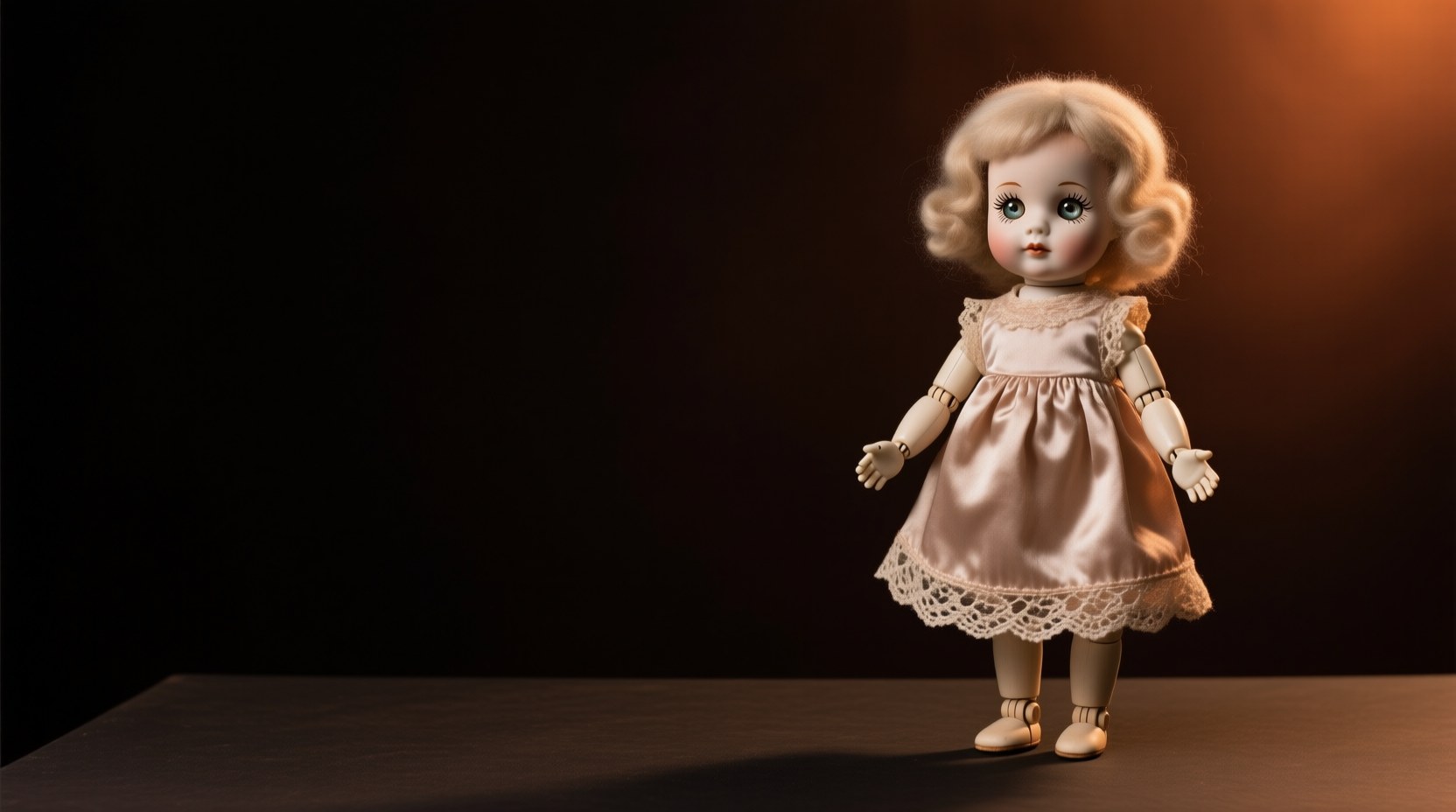
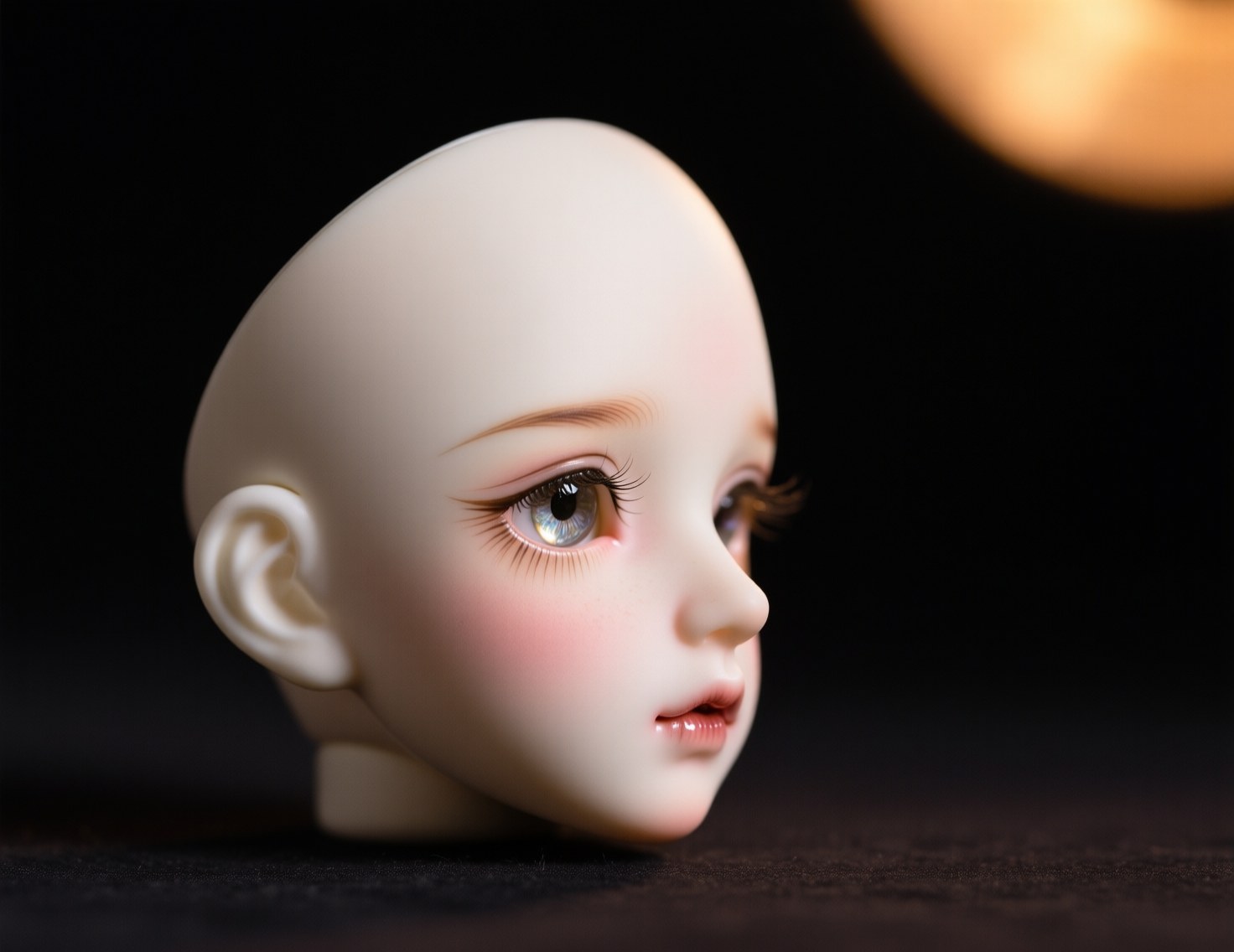
Pierre-François Jumeau and Louis-Desire Belton began a doll-making partnership in Paris in the early 1840s, and Jumeau won a bronze medal at the 1849 Paris Exposition and a First Place Medal at the 1851 Great Exhibition in London. His son Emile Jumeau joined the firm in 1867, and by 1873 the company was making its own bisque dolls at its Montreuil factory, at first fashionable lady dolls, or poupees. By 1877 Emile had produced the first Bebes, dolls in the image of a little girl with realistic glass eyes. In 1879 the sculptor Albert-Ernest Carrier-Belleuse was commissioned to fashion the head known as the Jumeau Triste, said to be modeled on a portrait of Henry of Navarre as a boy. The Tete Jumeau is marked 'Depose Tete Jumeau' on the back of the head. The Golden Age lasted from the late 1870s to the late 1890s, when German competition sent the firm into difficulty; the firm wound up in 1899, and the SFBJ took over its stock and kept the Bebe Jumeau trademark through the twentieth century.
Identify

How to identify genuine Jumeau Dolls

  1. 1

    Look for a stamp on the back of the head, most often 'Depose Tete Jumeau' in red ink on a Tete Jumeau bebe, with a size number; fashion poupees often carry no company mark on the head at all, so a missing mark does not settle it either way.

  2. 2

    Check the body for a stamp, often reading 'Jumeau Medaille d'Or Paris,' and a body style, jointing and finish that fit the doll's size and period.

  3. 3

    Examine the eyes and the painting of the face; compare paperweight glass eyes, painted upper and lower lashes and multi-stroke brows against documented examples before trusting the face.

  4. 4

    Judge the bisque itself in raking light for hairlines, repairs and repainting, and compare its color and finish with documented Jumeau examples; a head that looks too perfect deserves a closer look.

Reproductions, reissues and fakes to watch for

Jumeau's name lived on after 1899: the SFBJ kept the Bebe Jumeau trademark and made dolls in the manner of Jumeau, so a later SFBJ-made doll is a different piece from an 1870s-1890s Jumeau, even though both can be genuine antiques.

Reproduction of Jumeau dolls supports a thriving industry, so a mark alone proves little; compare the stamp's color and placement, and the doll as a whole, against documented originals.

Replaced bodies, wigs and clothing are common on doll heads of this age, so compare the head, body stamp and size number together and compare the doll against documented examples before trusting a mark alone.

Free appraisal

Get a real number on your Jumeau Dolls

Grab the checklist to run a first pass yourself, then send your Jumeau Dolls over for a free, no-obligation appraisal — researched by hand and priced against real sold comps.

Free guide

What's My Jumeau Dolls Worth?

The same hand-research walk-through we use on every Jumeau Dolls piece - boiled down to a checklist you can run yourself. Stop guessing and start with a number you can actually defend.

  • Pin down the exact Jumeau Dolls piece - line, variant, and year
  • Grade condition honestly (and dodge the #1 overpricing mistake)
  • Pull real sold comps instead of wishful asking prices
  • Set a number with a receipt behind it

Tell us where to send it and it’s yours — instantly.

Free, instant, and no spam — just the guide.

Want us to value your Jumeau Dolls?

Send photos and we’ll do the research — identify each Jumeau Dolls piece, pull the matching sold comps, and give you an honest number with the receipts behind it. Free, and no obligation to sell.

  • Anchored to real eBay sold comps
  • Graded straight, every flaw disclosed
  • Free, with no obligation

Appraise my Jumeau Dolls

Tell us what you have. Photos help us pull the right comps.

No spam, no list-selling. Just a real reply from a collector.

Jumeau Dolls values — straight answers

How is Jumeau Dolls value actually determined?+

By real eBay sold listings - the prices Jumeau Dolls pieces in matching condition have actually closed at recently, not active asking prices and not an automated estimate. An asking price is a wish; a sold price is a receipt. We start every appraisal from the sold comps.

What makes one Jumeau Dolls piece worth far more than another?+

The mold and model, because earlier models such as the Triste and the Portrait Bebe are much sought after and are judged very differently from the later, more common Tete Jumeau bebes. The maker's mark and size number, since a genuine Tete Jumeau head carries a stamped 'Depose Tete Jumeau' mark with a size number, and the body may carry its own Jumeau stamp. Two pieces that look identical to a casual buyer can sit at very different numbers once you account for these, which is exactly why a by-hand read beats a price-guide average.

Does condition really change Jumeau Dolls values that much?+

Yes - more than almost anything else. Originality of the body, wig and costume, because a head correctly paired with its period Jumeau body and original clothing tells a different story than a head on a later or mismatched body. We grade against pristine, not against the last beat-up copy we saw, and when it's a close call we grade down. The honest grade is what keeps the number defensible.

Can I get a real Jumeau Dolls appraisal, not just a guide?+

Yes, and it's free with no obligation. Send photos and we'll identify each piece (1870s-1899 French bisque bebes and fashion poupees by Maison Jumeau, Paris), pull the matching sold comps, and give you a number with the receipts behind it. Grab the appraisal checklist below to do a first pass yourself, or send it over and we'll do the research.

How can I tell if my old doll is a genuine Jumeau?+

Look at the back of the head for a stamp, most often 'Depose Tete Jumeau' with a size number, and check the body for its own Jumeau stamp. Then look closely at the bisque, the painted lashes and brows and the glass eyes. Photograph the mark, the face from the front and in profile, and the body, and send all of it in for a proper look.

Does it matter if my Jumeau doll's body doesn't look original?+

Yes. A bisque head correctly paired with its period Jumeau body and wig is a different, more complete piece than the same head on a later, mismatched or incorrect body. A replaced body still leaves a genuine head worth assessing, so photograph the whole doll, the body's joints and any stamp on it, and describe what you know about where the doll came from.

I found a doll marked 'Jumeau' that looks almost too perfect. Could it be a reproduction?+

It's worth checking closely. Reproduction of Jumeau dolls supports a thriving industry, and the SFBJ made dolls in the manner of Jumeau well into the twentieth century, so a Jumeau mark alone does not prove age. Photograph the mark, the face and the bisque surface closely and send them in before assuming either way.

Looking at a different line? Browse all value guides.

More value guides

Kämmer & Reinhardt Character Dolls1909 and after: German bisque character dolls in the 100 mold series, with heads mostly made by Simon & HalbigAlbert Marque Dolls1914-1916 French bisque art dolls made by sculptor Albert Marque for the Margaine-Lacroix fashion houseKestner Dolls1860s-1930s German bisque character and child dollsJapanese Tin Robots1950s-1960s, with a few earlier clockwork robots and later reissues as separate marketsMärklin Tinplate Trains1891-1930s prewar Gauge 1, 2 and 3 clockwork and live steam; the 1969 Gauge 1 revival is separateAntique Mechanical Banks1869-1928, with 1940s-1950s reproductions as a separate problem