Albert Marque Dolls Value Guide

Albert Marque Dolls Value Guide — What’s It Worth?

French bisque art dolls sculpted by Albert Marque during the First World War for the Margaine-Lacroix fashion house, valued on authenticity, the sculptural quality of the head and hands, and the original costume.

How we set the number

Prices with a receipt, not a guess

Every Albert Marque Dolls value we quote is anchored to actual eBay sold listings — the exact prices matching pieces closed at, in matching condition. Active asking prices are wish prices; an automated estimate is a shrug. We start from what people genuinely paid, then adjust for the specifics of your piece.

What drives Albert Marque Dolls value

The era collectors care about: 1914-1916 French bisque art dolls made by sculptor Albert Marque for the Margaine-Lacroix fashion house. These are the factors that separate a common piece from a genuine find — and the things to look at before you trust any number:

  1. 1

    The doll's authenticity and number, because a hundred were commissioned but only about twenty to twenty-five are known today, so the signature and incised series number are the first things a buyer checks

  2. 2

    The sculptural quality of the bisque head and hands, since Marque was an established sculptor and auction houses single out the head and hands as the mark of an accomplished sculptor's work

  3. 3

    The costume, since Margaine-Lacroix's fashion house dressed the dolls in custom-made outfits, often regional French costume, and an original, matching costume is part of what a doll is worth

  4. 4

    Condition of the bisque and the composition body, because a chip, hairline or repair to a sculpted head of this rarity matters

  5. 5

    Whether the doll is a genuine Marque or a later reproduction, since doll artists have made porcelain copies sold as reproductions, and a copy is valued far below an original

Albert Marque Dolls — the details decide the price

Albert Marque Dolls pieces collectors ask about

Some of the Albert Marque Dolls pieces whose values come up most often — though every piece is worth identifying, because the value lives in the details:

  • A. Marque boy doll #27, Theriault's antique-doll auction record, 2014
  • A. Marque doll #12, circa 1914, sold at Frasher's in 2011
  • A. Marque doll in Alsace costume, 1916, Strong National Museum of Play
  • A. Marque doll, 22 inches tall, in regional French costume
  • A. Marque doll from the Puppenmuseum Stein am Rhein collection

The #1 mistake on Albert Marque Dolls: pricing off a high active listing instead of a real sold one, and assuming condition is better than it is. A clean grade against the sold comps is the difference between a number that holds and a number that disappoints.

History

A short history of Albert Marque Dolls

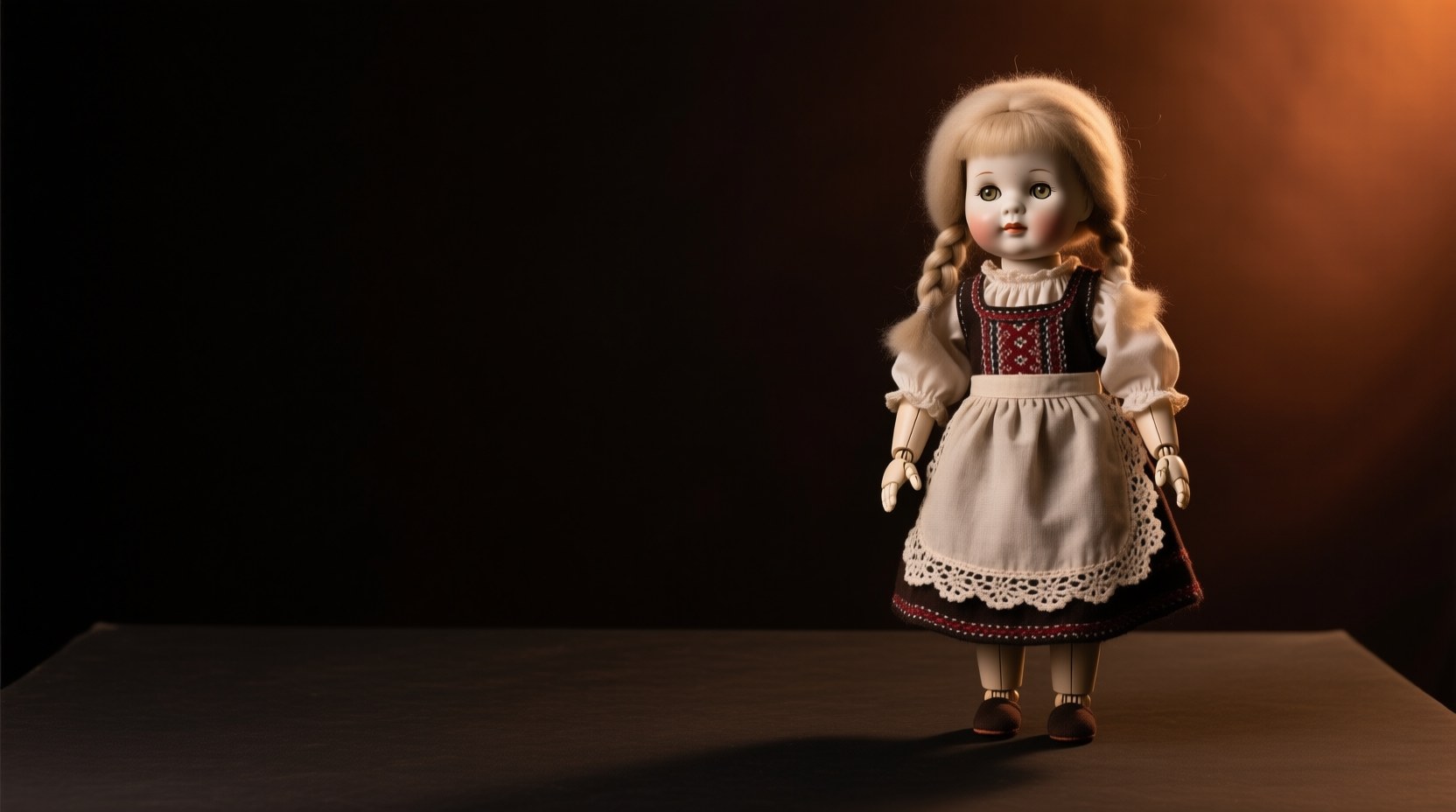
Albert Marque (1872-1939) was a French sculptor, respected for his sculpting of children, before the Parisian couturier Jeanne Margaine-Lacroix persuaded him, during the First World War, to sculpt fashion dolls for her fashion house. The dolls were exhibited in Paris in 1915. Each has a bisque head and limbs on a flared torso designed by the French artist Aristodema Botta, and the dolls were dressed in custom-made costumes, often regional French, as a response in wartime to the popularity of German dolls. A hundred were commissioned, though how many were made is uncertain, and each was signed and numbered. Ragnhild Margareta Ericson catalogs twenty-five known dolls for the Doll Artisan Guild, and the president of Theriault's puts the number in existence at about twenty. Collectors generally consider them among the most desirable of all dolls.
Identify

How to identify genuine Albert Marque Dolls

  1. 1

    Look for the 'A. Marque' signature and the incised series number. Genuine dolls are individually numbered, and the number is the first thing to record and photograph.

  2. 2

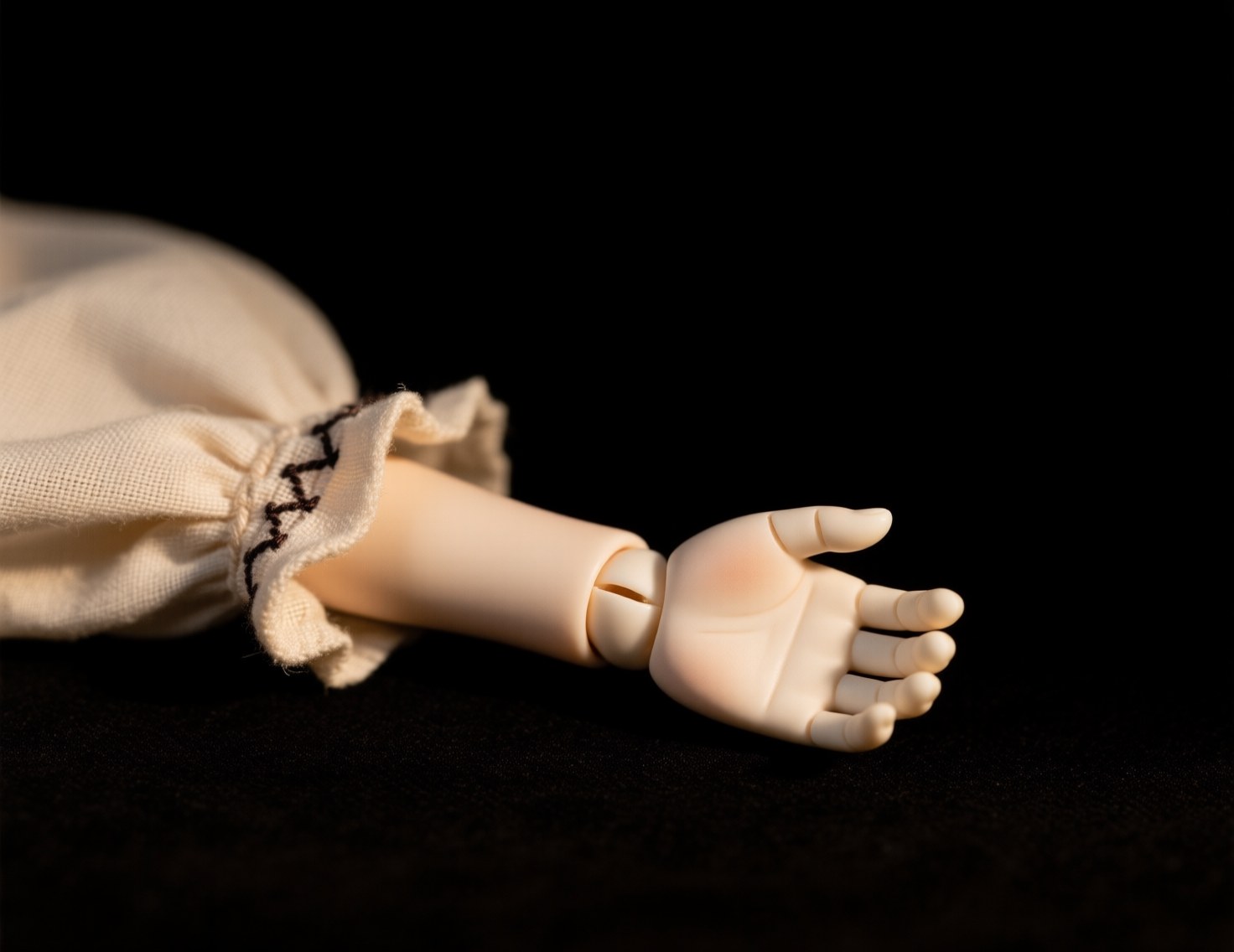
    Study the bisque head and the hands. Marque was an accomplished sculptor, and auction houses point to the quality of the head and the hands as the sign of his work.

  3. 3

    Check the body. The bisque head and limbs sit on a flared torso designed by the French artist Aristodema Botta, so the body should match that design.

  4. 4

    Look at the costume. Margaine-Lacroix's fashion house dressed the dolls in custom-made outfits, often regional French costume, so an original, documented costume adds to the doll's story.

Reproductions, reissues and fakes to watch for

Reproduction A. Marque dolls have been made by doll artists such as Georgette Bravot, whose porcelain heads are hand painted and signed GB, and which are sold as reproductions.

A Bravot reproduction is listed at 29 cm, while the original Marque dolls are about 22 inches tall, so compare a doll's size, signature and construction with documented examples and ask for its full history rather than taking a signature alone as proof of age.

Because a hundred were commissioned and only about twenty to twenty-five are known, any newly surfaced Marque doll with no exhibition or auction history behind it deserves extra scrutiny before anyone treats it as original.

Free appraisal

Get a real number on your Albert Marque Dolls

Grab the checklist to run a first pass yourself, then send your Albert Marque Dolls over for a free, no-obligation appraisal — researched by hand and priced against real sold comps.

Free guide

What's My Albert Marque Dolls Worth?

The same hand-research walk-through we use on every Albert Marque Dolls piece - boiled down to a checklist you can run yourself. Stop guessing and start with a number you can actually defend.

  • Pin down the exact Albert Marque Dolls piece - line, variant, and year
  • Grade condition honestly (and dodge the #1 overpricing mistake)
  • Pull real sold comps instead of wishful asking prices
  • Set a number with a receipt behind it

Tell us where to send it and it’s yours — instantly.

Free, instant, and no spam — just the guide.

Want us to value your Albert Marque Dolls?

Send photos and we’ll do the research — identify each Albert Marque Dolls piece, pull the matching sold comps, and give you an honest number with the receipts behind it. Free, and no obligation to sell.

  • Anchored to real eBay sold comps
  • Graded straight, every flaw disclosed
  • Free, with no obligation

Appraise my Albert Marque Dolls

Tell us what you have. Photos help us pull the right comps.

No spam, no list-selling. Just a real reply from a collector.

Albert Marque Dolls values — straight answers

How is Albert Marque Dolls value actually determined?+

By real eBay sold listings - the prices Albert Marque Dolls pieces in matching condition have actually closed at recently, not active asking prices and not an automated estimate. An asking price is a wish; a sold price is a receipt. We start every appraisal from the sold comps.

What makes one Albert Marque Dolls piece worth far more than another?+

The doll's authenticity and number, because a hundred were commissioned but only about twenty to twenty-five are known today, so the signature and incised series number are the first things a buyer checks. The sculptural quality of the bisque head and hands, since Marque was an established sculptor and auction houses single out the head and hands as the mark of an accomplished sculptor's work. Two pieces that look identical to a casual buyer can sit at very different numbers once you account for these, which is exactly why a by-hand read beats a price-guide average.

Does condition really change Albert Marque Dolls values that much?+

Yes - more than almost anything else. The costume, since Margaine-Lacroix's fashion house dressed the dolls in custom-made outfits, often regional French costume, and an original, matching costume is part of what a doll is worth. We grade against pristine, not against the last beat-up copy we saw, and when it's a close call we grade down. The honest grade is what keeps the number defensible.

Can I get a real Albert Marque Dolls appraisal, not just a guide?+

Yes, and it's free with no obligation. Send photos and we'll identify each piece (1914-1916 French bisque art dolls made by sculptor Albert Marque for the Margaine-Lacroix fashion house), pull the matching sold comps, and give you a number with the receipts behind it. Grab the appraisal checklist below to do a first pass yourself, or send it over and we'll do the research.

How do I know if my old doll is a genuine Albert Marque?+

Look for the 'A. Marque' signature and incised series number, then study the quality of the face and hands, since Marque was an accomplished sculptor. Only about twenty to twenty-five genuine dolls are known, so photograph the mark, the face in profile and the body, and send it in for a comparison against known examples.

Does a replaced wig or costume lower the value of my Marque doll?+

It changes how the doll is valued. Margaine-Lacroix's fashion house dressed the dolls in custom-made outfits, so an original, documented costume is part of what makes a particular doll what it is, and a doll that still wears its first outfit is valued differently from one in a later wig and dress. Photograph the doll exactly as found, including any worn fabric, before anything is changed.

I found a doll marked 'A. Marque' at a low price. Could it be real?+

It is far more likely to be one of the reproduction dolls that doll artists have made, since genuine A. Marque dolls are extremely scarce, with only about twenty to twenty-five known. A reproduction is a different and much more modest category than an original, so send clear photographs of the mark, the face and the body before assuming either way.

Looking at a different line? Browse all value guides.

More value guides

Kämmer & Reinhardt Character Dolls1909 and after: German bisque character dolls in the 100 mold series, with heads mostly made by Simon & HalbigJumeau Dolls1870s-1899 French bisque bebes and fashion poupees by Maison Jumeau, ParisKestner Dolls1860s-1930s German bisque character and child dollsJapanese Tin Robots1950s-1960s, with a few earlier clockwork robots and later reissues as separate marketsMärklin Tinplate Trains1891-1930s prewar Gauge 1, 2 and 3 clockwork and live steam; the 1969 Gauge 1 revival is separateAntique Mechanical Banks1869-1928, with 1940s-1950s reproductions as a separate problem