Vintage 12-Inch G.I. Joe Value Guide
Hasbro's original 12-inch G.I. Joe, sold from 1964 to 1976, led to the term 'action figure', and its value turns on hair type, complete accessory sets, and which service branch or release a figure represents
How we set the number
Every Vintage 12-Inch G.I. Joe value we quote is anchored to actual eBay sold listings — the exact prices matching pieces closed at, in matching condition. Active asking prices are wish prices; an automated estimate is a shrug. We start from what people genuinely paid, then adjust for the specifics of your piece.
The era collectors care about: 1964-1976 Hasbro production, with the 1982 3.75-inch Real American Hero line as a separate market. These are the factors that separate a common piece from a genuine find — and the things to look at before you trust any number:
Hair type and era, since painted hair figures ran from 1964 through 1969 and the Adventure Team's flocked Life-Like hair and beards from 1970 on mark two different design generations
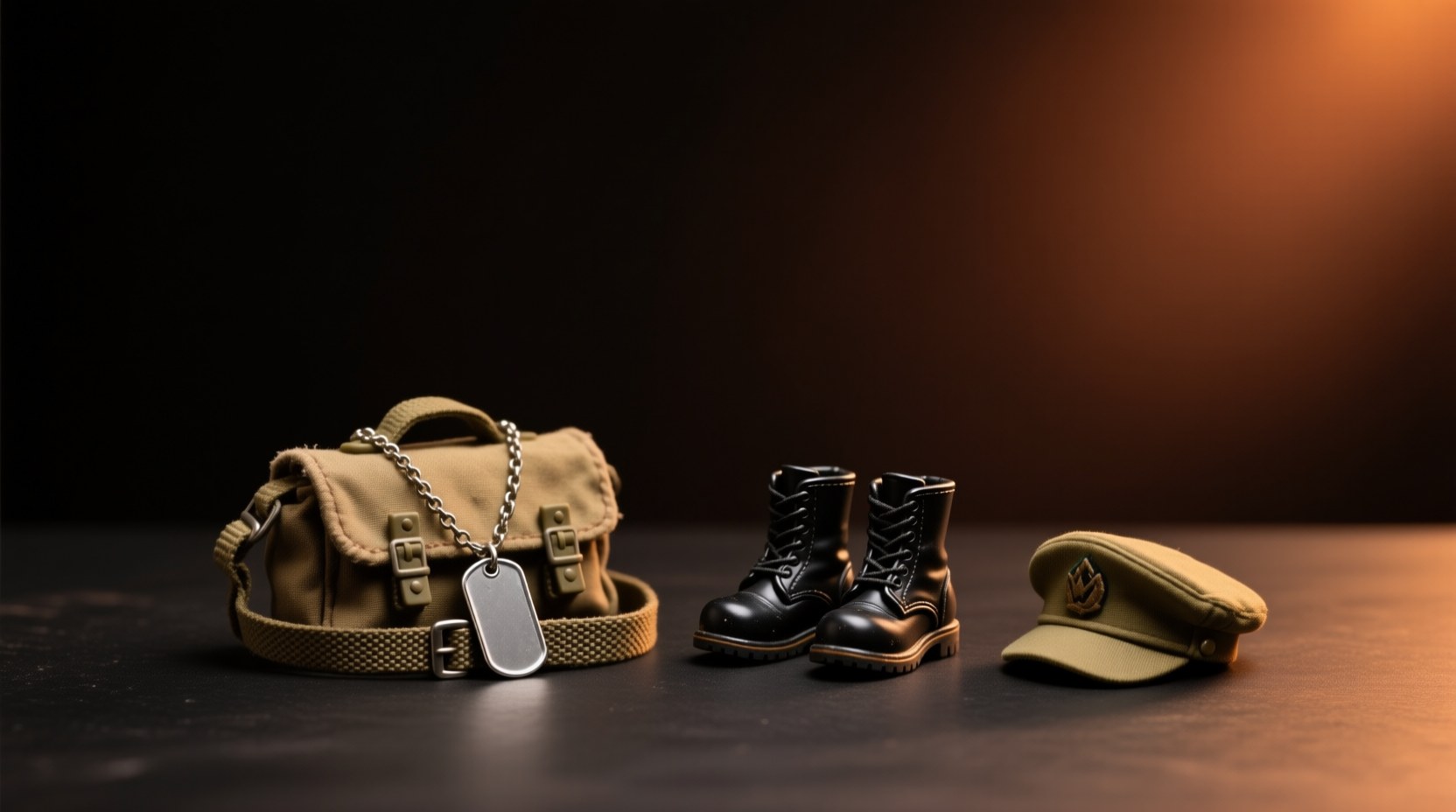
Complete accessory sets, including dog tags, boots, the correct cap for the branch, and the many separately sold outfit and equipment sets that a loose figure often lacks today
The specific release, since an Action Soldier, Sailor, Marine, or Pilot box, a Nurse figure, or a pull-string talking Joe each sits in its own market, and the box graphics and wording help date it
Box and packaging type, since the 1964 lidded box with branch graphics, the deluxe window-box sets, and the wooden footlocker are each part of what makes a complete set
Condition of the moving parts, including tight joints, intact scar paint, and Kung-Fu Grip hands whose soft plastic fingers and thumbs tend to break off
Some of the Vintage 12-Inch G.I. Joe pieces whose values come up most often — though every piece is worth identifying, because the value lives in the details:
The #1 mistake on Vintage 12-Inch G.I. Joe: pricing off a high active listing instead of a real sold one, and assuming condition is better than it is. A clean grade against the sold comps is the difference between a number that holds and a number that disappoints.
History
The idea for G.I. Joe came from Stanley Weston, a Manhattan licensing agent, in 1963, and Hasbro creative director Donald Levine drove the concept at the company. The line launched on February 1, 1964, and appeared at the New York Toy Fair on February 9. Hasbro could not trademark a human figure, so it gave the figure an identifying scar on the right cheek. The first four figures were an Action Soldier, Sailor, Pilot and Marine, each boxed with basic fatigues, boots, cap and dog tag, with accessory sets available for each branch. Hasbro never called the toy a doll; 'action figure' was the only acceptable term. Talking variants arrived in 1967, the same year as the G.I. Nurse. After the Vietnam War, Hasbro sought to downplay the war theme and in 1970 settled on the name Adventure Team, adding flocked Life-Like hair and beards, then Kung-Fu Grip hands in 1974. The original 12-inch line ended in America in 1976, while Palitoy made a British version, Action Man, from 1966 through 1984.
Identify
Turn the figure over. A 1964-65 figure reads on the back of the right thigh G.I. Joe, Copyright 1964 by Hasbro, Patent Pending, Made in U.S.A., and the stamp wording changed once the patent was granted in late 1966, which helps narrow the year.
Check the hair. Painted hair means first-issue production from 1964 through 1969, and flocked Life-Like hair with a flocked beard means an Adventure Team figure from 1970 or later.
Look for the scar on the right cheek, which Hasbro gave the original figures as an identifying mark because a human body could not be trademarked.
Check the hands. The softer Kung-Fu Grip hand introduced in 1974 is prone to broken-off thumbs and fingertips because its plastic broke down quickly.
Hasbro's 2003 40th Anniversary sets copy the original boxed figures and outfits, but carry Anniversary Edition on the boxes and 40th imprinted on all plastic items, so look for those marks before calling a set original.
The reissue boxes and literature carry the amended copyright 1964, 2003 Hasbro, so a box showing 2003 in the copyright is a later release, not an original.
Grab the checklist to run a first pass yourself, then send your Vintage 12-Inch G.I. Joe over for a free, no-obligation appraisal — researched by hand and priced against real sold comps.
The same hand-research walk-through we use on every Vintage 12-Inch G.I. Joe piece - boiled down to a checklist you can run yourself. Stop guessing and start with a number you can actually defend.

Send photos and we’ll do the research — identify each Vintage 12-Inch G.I. Joe piece, pull the matching sold comps, and give you an honest number with the receipts behind it. Free, and no obligation to sell.
By real eBay sold listings - the prices Vintage 12-Inch G.I. Joe pieces in matching condition have actually closed at recently, not active asking prices and not an automated estimate. An asking price is a wish; a sold price is a receipt. We start every appraisal from the sold comps.
Hair type and era, since painted hair figures ran from 1964 through 1969 and the Adventure Team's flocked Life-Like hair and beards from 1970 on mark two different design generations. Complete accessory sets, including dog tags, boots, the correct cap for the branch, and the many separately sold outfit and equipment sets that a loose figure often lacks today. Two pieces that look identical to a casual buyer can sit at very different numbers once you account for these, which is exactly why a by-hand read beats a price-guide average.
Yes - more than almost anything else. The specific release, since an Action Soldier, Sailor, Marine, or Pilot box, a Nurse figure, or a pull-string talking Joe each sits in its own market, and the box graphics and wording help date it. We grade against pristine, not against the last beat-up copy we saw, and when it's a close call we grade down. The honest grade is what keeps the number defensible.
Yes, and it's free with no obligation. Send photos and we'll identify each piece (1964-1976 Hasbro production, with the 1982 3.75-inch Real American Hero line as a separate market), pull the matching sold comps, and give you a number with the receipts behind it. Grab the appraisal checklist below to do a first pass yourself, or send it over and we'll do the research.
Yes, though value depends heavily on completeness. A loose figure missing its accessories is usually worth less than one with its original uniform, boots, and gear intact, and a figure in its original box adds more again. Condition of the scar paint, joints, and hands also matters, since Kung-Fu Grip hands are prone to broken fingers and thumbs over time.
Check the stamp on the back of the right thigh, the hair type, and the hand style together. Figures made from 1964 through 1969 have painted hair, while flocked Life-Like hair or Kung-Fu Grip hands point to the Adventure Team era, 1970 or later. The stamp wording also changed after the patent was granted in late 1966.
Yes. The original 1964 figures came in a lidded box with branch graphics, and its side panels showed photo illustrations of the accessory sets, so a complete box in good condition adds to the figure inside it. Photograph the box graphics and any accessory inserts before deciding what you have.
Looking at a different line? Browse all value guides.