Selling Lehmann Tin Wind-Up Toys
Ernst Paul Lehmann's Brandenburg factory made colorfully lithographed tin clockwork toys from 1881 into the early 1950s, famous for inventive mechanisms, with value resting on condition, the original box, a working mechanism, and the maker's logo or name
How we buy Lehmann Tin Wind-Up Toys
Every Lehmann Tin Wind-Up Toys piece is researched by hand, graded straight, and priced against real eBay sold comps. We’d rather quote you a number you can check than a number you have to take on faith.
The era collectors care about: 1881-1950s German lithographed tin novelty toys. Two pieces that look the same to most buyers can be worlds apart in value. Here’s what we check before we put a number on anything:
The specific model and its mechanism, since an intricate multi-figure toy such as the Boxer Rebellion, built around a complicated clockwork beneath its tinplate stand and made in very few numbers, trades in a different league than a common single-action walker
Lithography condition, because Lehmann's toys were lithographed with detailed graphics and vivid colors, and bright, unfaded, unrusted litho with sharp printed lines is worth more than a toy with flaking or rust
A working clockwork motor and complete moving parts, since Lehmann toys have an action such as dancing, climbing, walking or rolling, and a toy that still performs its action with every original part present outsells one that no longer moves
The maker's mark and model name, since most Lehmann toys are marked with a logo or an embossed name, which helps separate a genuine Lehmann piece from the unmarked or mismarked tin toys on the market
Original box and paper parts, since Lehmann marketed its toys in boxes with instructions in German and English, and a complete original box lifts a toy's value above a loose example
Identify
Look for Lehmann's logo or embossed name. Most Lehmann toys are marked either with a logo or with the toy's name embossed on the piece, and every Lehmann tin toy has a name such as Balky Mule, Tut Tut or Paak-Pak.
Check the lithography itself rather than painted color. Lehmann's tin toys were lithographed with detailed graphics and vivid colors, so the color sits on the surface as a crisp printed pattern, not a hand-brushed finish.
Wind the clockwork gently and watch the action. Lehmann toys are known for clever actions such as dancing, climbing, walking, crawling and rolling, so the toy should perform the action its name promises.
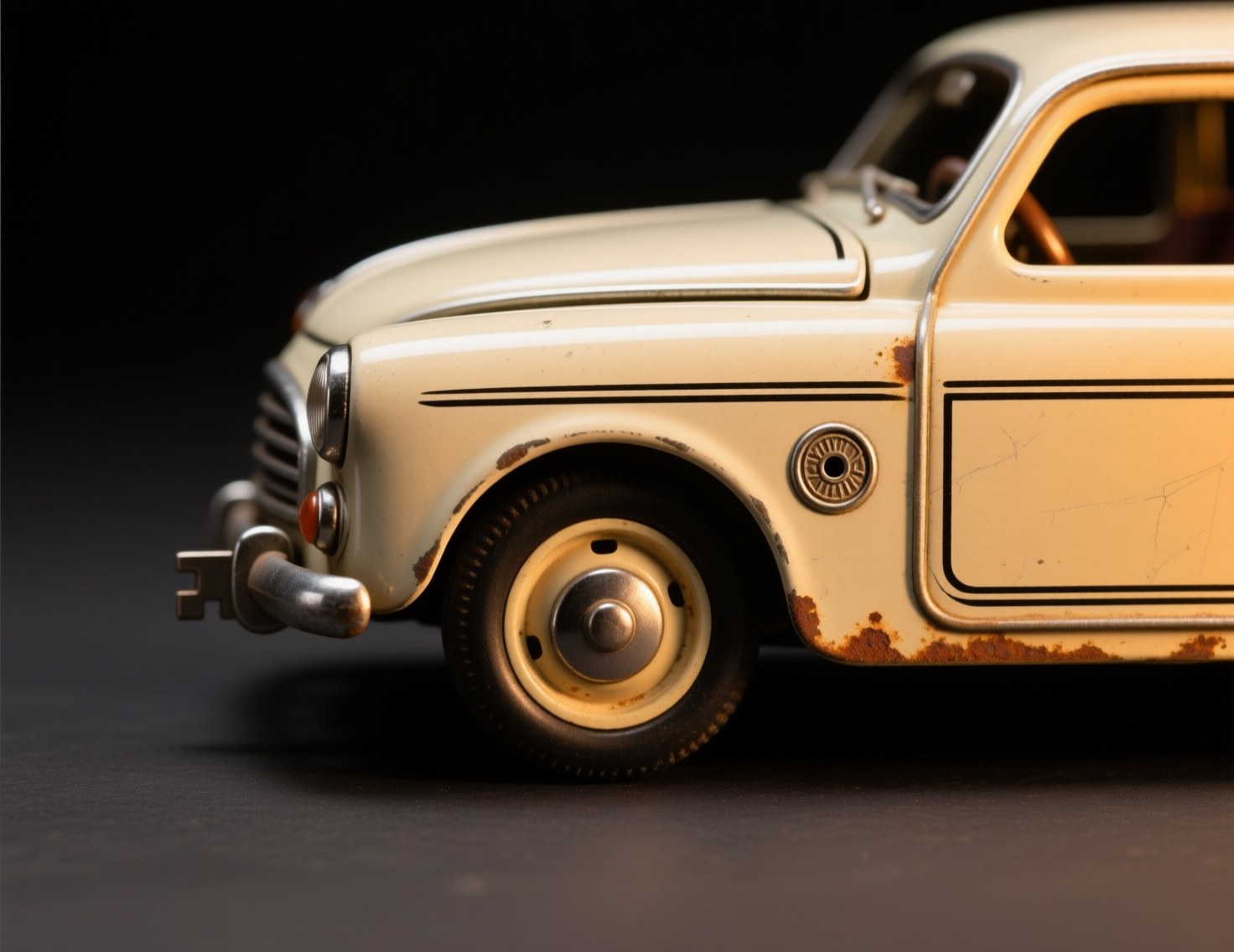
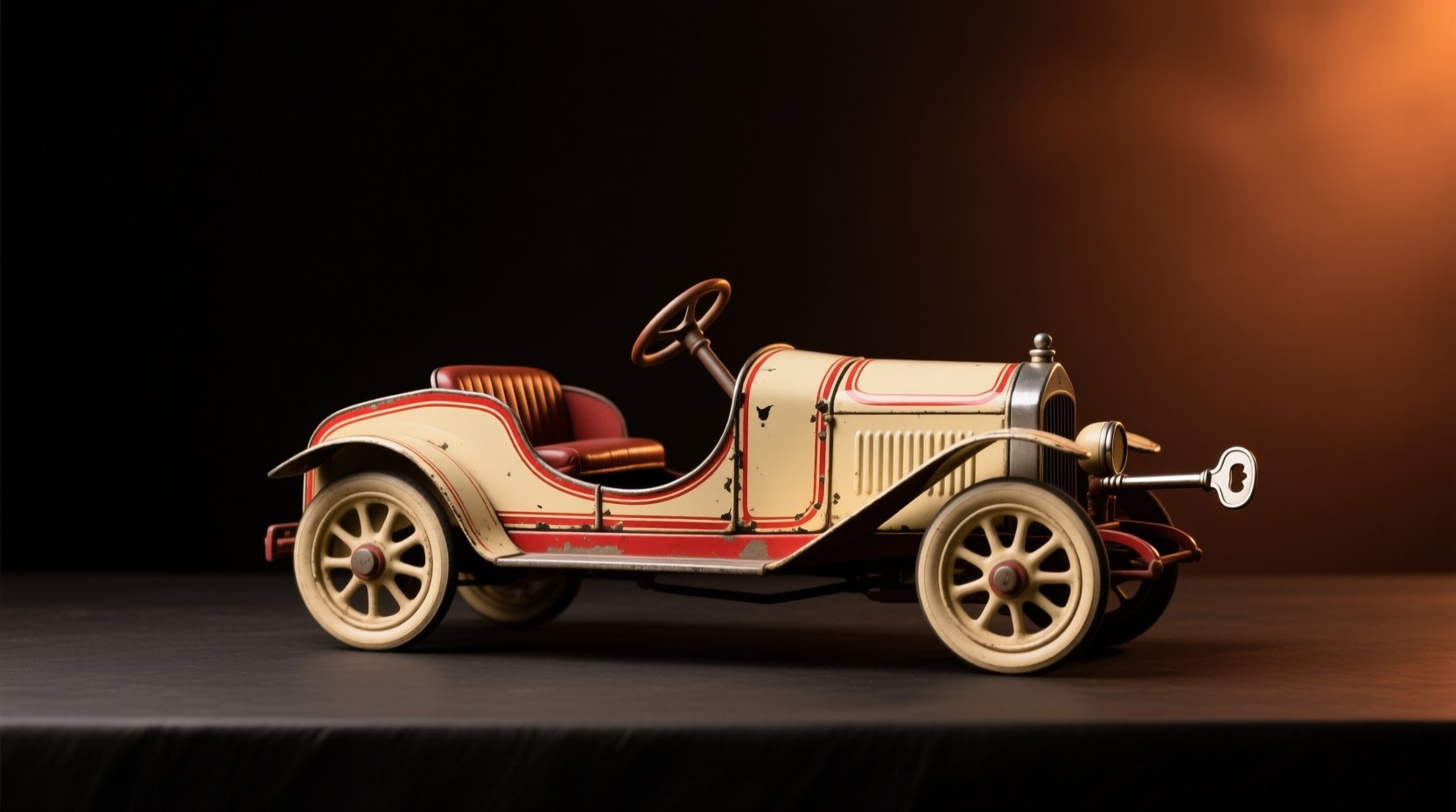
Check the winding key. On the Tut-Tut and Oho cars the clockwork is wound by a key in the side panel of the car, so a missing key or a different winding point is worth a second look.
A few of the Lehmann Tin Wind-Up Toys pieces we research and buy — though we identify and price everything you send, common and scarce alike:
Snapshots of your Lehmann Tin Wind-Up Toys pieces — the mechanism and winding key, the logo and embossed name, printed litho detail close up, and any box or paper parts. The line and rough condition is plenty to start.
Each piece gets identified by hand, graded straight, and priced against actual Lehmann Tin Wind-Up Toys sold listings — the real sales behind the number.
Take the offer and get paid, collector to collector — or hold onto your Lehmann Tin Wind-Up Toys. No fees, no pressure, no obligation either way.

Tell us what you’ve got. A real collector reads every message, researches each Lehmann Tin Wind-Up Toys piece against real sold comps, and gets back to you — usually within a day. No obligation.
Every number is anchored to real eBay sold listings - what Lehmann Tin Wind-Up Toys pieces in the same condition have actually sold for recently, not active asking prices or an estimate tool. We identify exactly what you have first (1881-1950s German lithographed tin novelty toys), then pull the comps that match.
The specific model and its mechanism, since an intricate multi-figure toy such as the Boxer Rebellion, built around a complicated clockwork beneath its tinplate stand and made in very few numbers, trades in a different league than a common single-action walker. Lithography condition, because Lehmann's toys were lithographed with detailed graphics and vivid colors, and bright, unfaded, unrusted litho with sharp printed lines is worth more than a toy with flaking or rust. We check each of these by hand before we quote, so the offer reflects what your specific pieces are - not a blanket price for the line.
No obligation, ever. Send photos and we'll research each piece and give you an honest, sold-comp-backed read. If you decide to hold, that's completely fine - no pressure, no list-selling.
Both. We'll take a collection as a whole or cherry-pick the standout pieces - whichever gets you the best outcome. Either way every item is identified and priced on its own merits, including the common ones.
Look for the Lehmann logo or the toy's name embossed on the piece, check that the color is printed lithography rather than hand paint, and wind the mechanism to see that it performs the specific action that model is known for. Those three things together are stronger evidence than the mark alone, since fakes marked Lehmann have been seen.
A working clockwork motor helps and is worth describing honestly, but it is not the only thing collectors weigh. A Lehmann toy with crisp, unfaded lithography and complete original parts can still be desirable even if it no longer runs, while a toy with a replaced spring or other repairs may run again but is usually worth less for the repair.
Yes, generally. Lehmann marketed its toys in boxes with instructions in both German and English, and dealers note that price is highly correlated to condition and to having the original box. Keep the box even if it is worn, and photograph it alongside the toy rather than separately.
Researching a different line? See everything we buy.